
Blog

Withernsea History
A Seaside Story Shaped by Sea and People
Withernsea’s history is written in salt air, shifting sands, and generations of community life. From its rise as a Victorian seaside resort to its twentieth-century holiday heyday, the town has always been shaped by resilience, reinvention, and a deep connection to the coast.
This page explores the people, places, and moments that helped define Withernsea.
Withernsea History
The Rise of a Seaside Resort
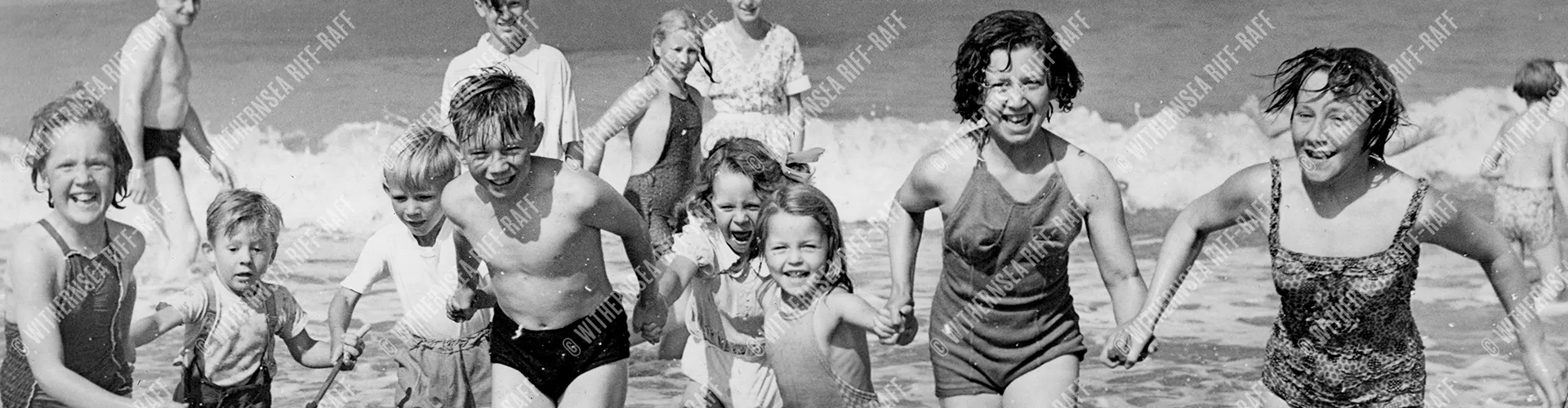
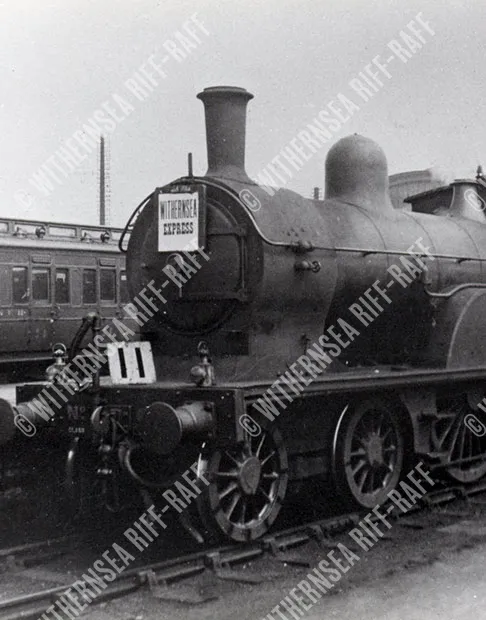
In the nineteenth century, Withernsea emerged as a popular seaside destination. The arrival of the railway transformed access to the coast, bringing visitors eager for fresh sea air and promenade leisure.
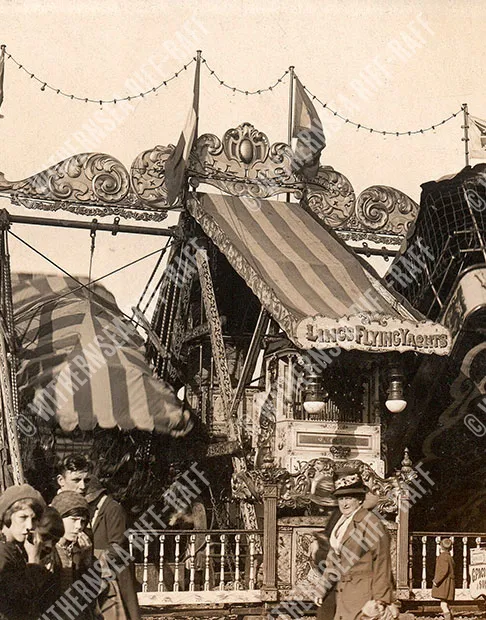
Guest houses, cafés, amusements, and attractions grew around the expanding visitor economy. The pier, once stretching proudly into the North Sea, became a symbol of ambition and optimism.
Though storms and time altered the landscape, the spirit of that era remains woven into the town’s identity
Withernsea History
Life by the Sea
Beyond tourism, Withernsea has always been a working town.
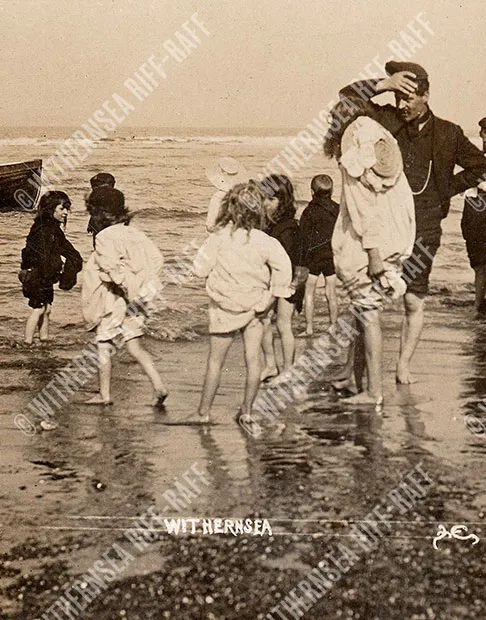
Fishing, farming, railway employment, and seasonal industries supported local families. Children collected bottles, worked on farms, and found small ways to earn money.
Holidaymakers filled the streets in summer. Winters were quieter, shaped by close-knit community life.
The postcards of the twentieth century capture these contrasts. Bustling promenades. Barrow boys at the station. Families on the sands. Shops decorated for Christmas. Everyday moments that now form part of shared memory.
Withernsea History
The Railway Years & Change
The railway brought opportunity. It also marked a turning point.
When services closed during the 1960s restructuring of Britain’s rail network, the town experienced a significant shift. The loss of passenger connections altered visitor patterns and economic rhythm.
Yet Withernsea adapted. As it has always done. Each change in infrastructure, industry, and tourism has reshaped the town, but never erased its character.
Withernsea History
Heritage in Architecture & Landmarks
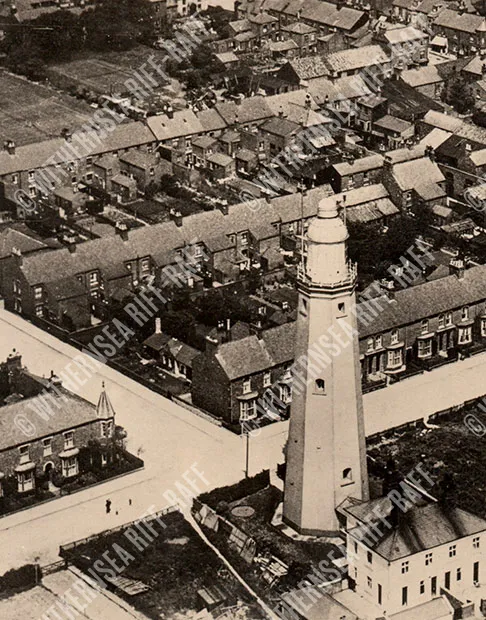
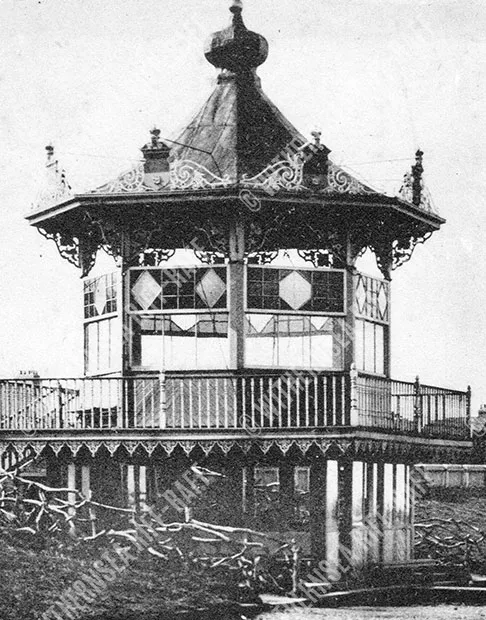
From St Nicholas Church to the surviving entrance of the pier, Withernsea’s built environment tells a layered story.
Victorian ambition. Edwardian leisure. Post-war adaptation. Modern coastal living.
Many historic features remain quietly present in everyday streets. Look closely and you will find traces of former cinemas, boarding houses, railway lines, and long-gone attractions. History here is not hidden. It simply waits to be noticed.
Withernsea History
Postcards as Time Capsules
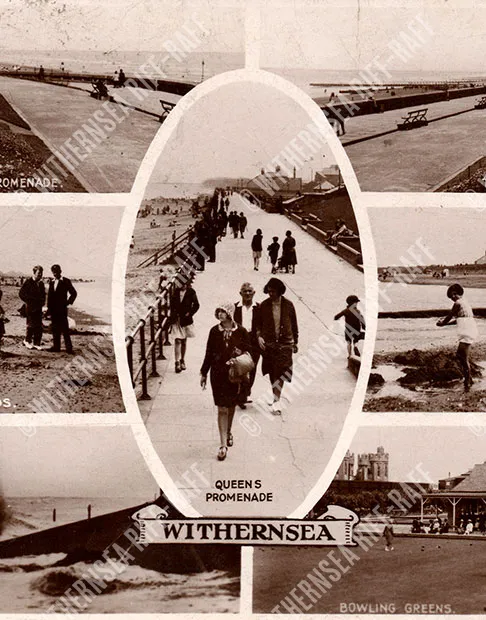
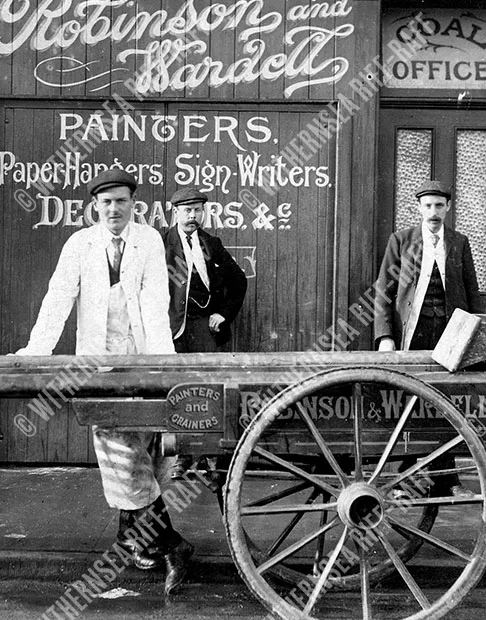
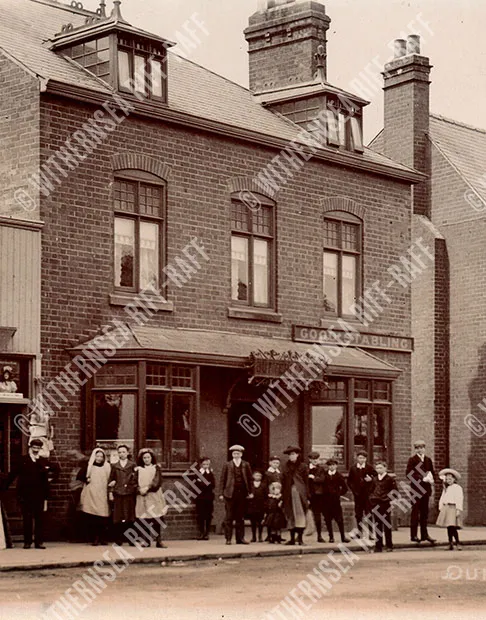
During the 1900, postcards became one of the most important visual records of Withernsea’s development.
They documented; Seafront crowds and summer fashions, Storm damage and rebuilding, Railway platforms and pier structures, Shops, schools, churches, and community events.
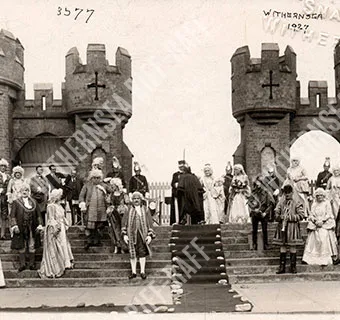
Each postcard freezes a moment. Together, they form a century-long visual narrative of change and continuity. These images are not just nostalgia. They are evidence of resilience, creativity, and community life.
Withernsea History
A Town Defined by Resilience
Coastal erosion, economic shifts, changing tourism patterns. Withernsea has faced them all.
Yet what remains constant is the people.
Community groups, churches, local historians, collectors, shop owners, families. The strength of Withernsea has always come from those who care about it.
The town’s history is not simply about buildings or dates. It is about memory, adaptation, and pride.
Withernsea History
History You Can Walk Through
Withernsea’s past is not confined to museums or archives. It exists in streets you can walk today.
Stand where the pier once extended.
Look at where the railway platform once stood.
Follow the route holidaymakers once travelled.
History here is physical, visible, and connected to place.
That is why the Withernsea Riff-Raff project transforms heritage into lived experience. Because this is a story still unfolding.
From our blog
Latest Blog Posts

Jun

